Pop Culture Phrases in Mental Health
Therapy language can help people feel seen, understood, and less alone. Words like “gaslighting,” “triggered,” and “trauma response” often give people a framework for painful experiences they may never have had language for before.
But when mental health terminology becomes overused or stripped of nuance, it can sometimes create more confusion than clarity.
Not every disagreement is gaslighting. Not every unhealthy behaviour is narcissism. And not every emotional reaction means someone has been “triggered.” Sometimes people are defensive, emotionally immature, avoidant, grieving, insecure, or simply struggling to communicate well.
Similarly, the phrase “trauma dumping” has become increasingly common online, often used to describe emotional vulnerability itself. While there are situations where people overshare without boundaries or awareness, humans are also meant to need each other. Sharing pain is not inherently manipulative or attention-seeking.
Therapy language becomes less helpful when it’s used as a shield rather than a tool for reflection:
- “Setting boundaries” can sometimes become a way to avoid hard conversations.
- “Protecting my peace” can sometimes become emotional withdrawal.
- “Toxic relationship” can sometimes replace deeper conversations about incompatibility, attachment wounds, or communication patterns.
Social media tends to reward black-and-white thinking because it’s easier to consume: toxic vs healthy, narcissist vs empath, healing vs unhealthy. But real relationships are rarely that simple.
Healthy relationships still involve misunderstandings, discomfort, conflict, insecurity, imperfect communication, and moments where people unintentionally hurt each other.
Mental health awareness matters. But emotional intelligence is not just knowing therapeutic terminology — it’s also learning to tolerate nuance, stay curious, communicate honestly, repair relationships, and recognize that people can cause harm without being villains.
Sometimes healing comes less from finding the perfect label and more from developing the ability to understand ourselves and others with greater depth, flexibility, and compassion.
If you, or someone you know is struggling with their mental health, reach out to us for a free consultation with one of our team. Our experienced admin staff will take the time to go over your unique situation and make recommendations for your care and support – even if that means referring you to another agency.








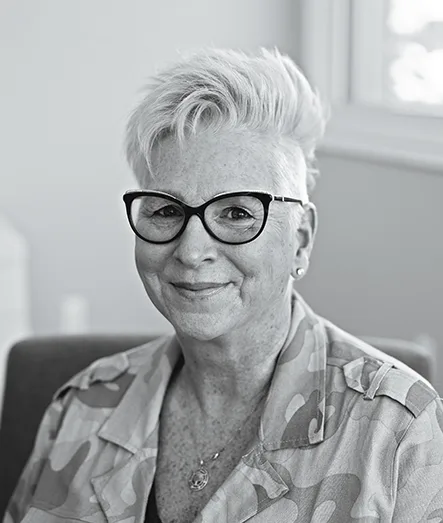
 Sharon Walker, MSW, RSW
 Jordon Iorio Hons. BA, MACP RSW
 Christine Bibby, B.S.W., M.S.W., R.S.W.
 Brianna Kerr, BA, BSW, MSW, RSW
 Danielle Vanderpost, RSW
 Daniela Switzer, MA, C.PSYCH
 Tammy Adams
 Amy Dougley
 Emily Kamminga
 Bill Dungey, RSW
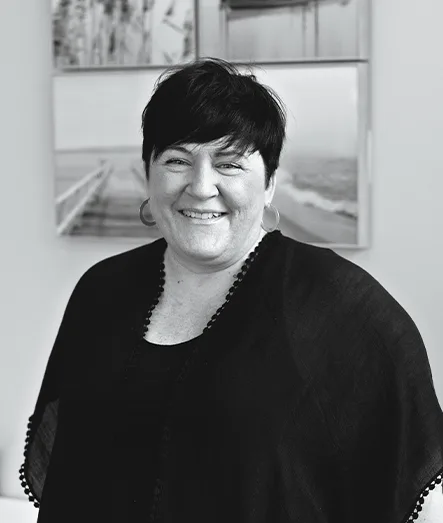

 Jessica Moore, RSW
 Melanie Clucas
 Kunle Ifabiyi
 Tammy Prince
 Susan Zuidema, M. Div, B.Ed

 Arianne Letendre

 Jeff Lee
 Janet Lovegrove, BScN, MSc, CPMHN
 Lisa Colyer

 Peter Mielke, RSW