
Understanding Premenstrual Dysphoric Disorder (PMDD)
Premenstrual Dysphoric Disorder (PMDD) is more than the typical “pre-period” mood changes many people experience. For those living with PMDD, the days, or even weeks, leading up to menstruation can bring intense emotional and physical symptoms.
These may include:
• Severe irritability
• Persistent sadness
• Anxiety
• Fatigue
• Sleep disturbances
• Body aches
• Thoughts of self-harm
These symptoms can be incredibly difficult to manage and may significantly impact work, relationships, and daily functioning. While symptoms often improve within a few days after menstruation begins, the duration and intensity can feel overwhelming.
It’s estimated that 2–5% of menstruators experience PMDD. However, due to limited awareness and education, many people feel isolated or may believe they are experiencing general emotional instability rather than a recognized medical condition.
Diagnosis
There is currently no single test to diagnose PMDD. Instead, diagnosis is based on tracking symptoms over time to identify patterns. A family doctor or psychiatrist will typically look for five or more recurring symptoms before making a formal diagnosis.
Risk Factors
Several factors may increase the likelihood of developing PMDD, including:
• A history of depression or anxiety
• A family history of PMDD
• High levels of stress
• Lifestyle factors such as smoking or weight-related concerns
Treatment Options
The good news is that PMDD can be managed with the right support. Treatment often includes a combination of medical care, therapy, and lifestyle changes.
Medication
A family doctor or psychiatrist may recommend medication to help manage symptoms. Only a qualified medical professional can diagnose PMDD and prescribe treatment.
Counselling
Therapies such as Cognitive Behavioural Therapy (CBT) and Dialectical Behaviour Therapy (DBT) can help with emotional regulation, coping strategies, and reducing interpersonal conflict.
Lifestyle Supports
Small, consistent changes can make a meaningful difference, including:
• Limiting caffeine and alcohol
• Maintaining balanced nutrition (with guidance from a nutrition professional if needed)
• Incorporating regular movement or exercise
It’s important to acknowledge that making lifestyle changes can feel especially difficult when experiencing symptoms like depression or fatigue. This is where working with a supportive therapist, nutritionist, medical doctor etc can help make those changes more manageable.
You’re Not Alone
If you are experiencing symptoms of PMDD, or supporting someone who is, it’s important to remember that this is a real and recognized medical condition.
If you’re unsure where to start, consider reaching out to your family doctor or connecting with a mental health professional. Support is available, and you don’t have to navigate this alone.








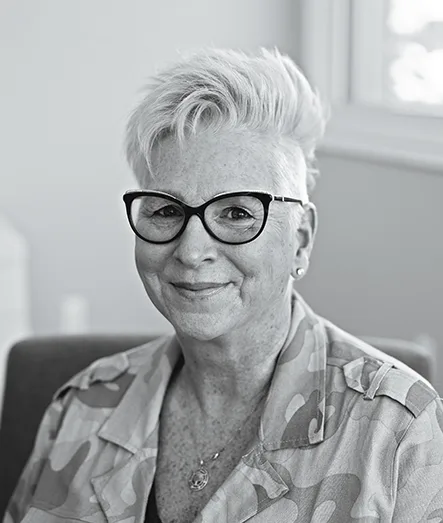
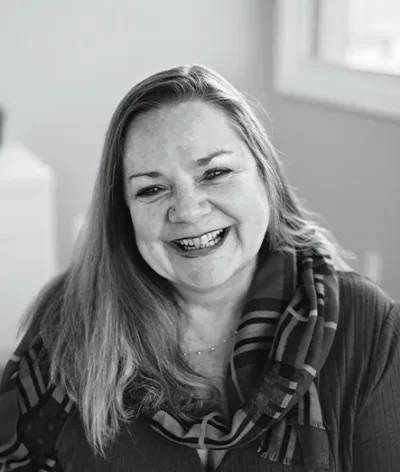 Sharon Walker, MSW, RSW
 Jordon Iorio Hons. BA, MACP RSW
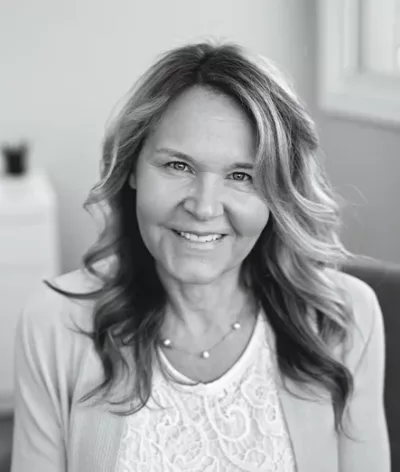 Christine Bibby, B.S.W., M.S.W., R.S.W.
 Brianna Kerr, BA, BSW, MSW, RSW
 Danielle Vanderpost, RSW
 Daniela Switzer, MA, C.PSYCH
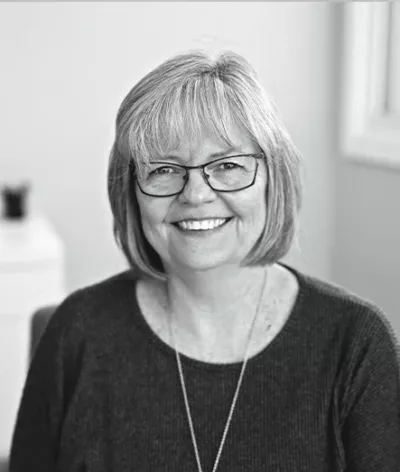 Tammy Adams
 Amy Dougley
 Emily Kamminga
 Bill Dungey, RSW

 Jessica Moore, RSW
 Melanie Clucas
 Kunle Ifabiyi
 Tammy Prince
 Susan Zuidema, M. Div, B.Ed

 Arianne Letendre

 Jeff Lee
 Janet Lovegrove, BScN, MSc, CPMHN
 Lisa Colyer

 Peter Mielke, RSW
 Jade Graham